

In an era when sustainability is at the forefront of architectural practice, the role of daylight analysis has never been as crucial. As architects strive to create buildings that not only conserve energy but also enhance the well-being of their occupants, knowing how to effectively harness natural light becomes critical. Daylight analysis serves as an vital tool in this pursuit, allowing architects to enhance spaces for both visual comfort and energy efficiency.
By examining how natural light plays with building designs, architects can make wise decisions from the early stages of development. Whether it is deciding the best window placements, analyzing shading strategies, or verifying compliance with environmental standards, incorporating daylight analysis into the design process significantly influences a building’s overall sustainability. This article will delve into the intricacies of daylight analysis, covering various methodologies, tools, and the profound impact they have on modern architecture.
Comprehending Natural Light Analysis Fundamentals
Natural light assessment is a critical aspect in the design process of sustainable architecture, giving insight into how natural light affects with architectural spaces. It entails a methodical study of sunlight penetration, duration over time, and intensity throughout the seasons, enabling informed decisions that elevate both visual appeal and utility. By replicating daylight scenarios, architects can examine how diverse design features, such as window placements and orientation of the building, influence interior illumination.
At the heart of daylight analysis are a variety of measures and instruments that help assess illumination availability. Essential concepts include daylight factor and autonomy of spatial daylight, which measure how much daylight reaches utilized spaces. These metrics guide architects in creating spaces that not only diminish reliance on artificial lighting but also add to the overall energy efficiency of a structure. Grasping these aspects is important for optimizing design in alignment with goals of sustainability.
Additionally, daylight analysis functions as a connection between design in architecture and the well-being of occupants. Daylight has deep effects on psychological state, productivity, and health, making it essential for architects to emphasize daylight in their plans. By incorporating daylight analysis at the beginning in the planning phase, architects can develop environments that support the physical and mental needs of occupants, ultimately fostering a more balanced and more sustainable built environment.
Improving Structural Blueprints With Daylight Assessment
Natural light assessment plays a key role in improving architectural design by confirming that natural light is employed efficiently within environments. By performing thorough daylight analysis early in the design process, designers can enhance the layout and orientation of a building. This not only improves visual comfort for users but also integrates natural light into the overall appearance and functionality of the building. Embedding daylight into design decisions can lead to creative solutions that leverage sun exposure, significantly enhancing the quality of the habitable and working environment.
Furthermore, daylight analysis informs important decisions regarding window placements and facade materials, which ultimately affect the building's performance performance. Proper analysis allows engineers to examine the relationship between natural light access and heat gain, leading to designs that harmonize daylight entry with thermal comfort. For instance, adjusting window-to-exterior ratios and implementing techniques such as light shelves can significantly enhance daylight penetration while minimizing glare. This thoughtful approach to building design fosters resource efficiency and supports sustainable practices.
Ultimately, the incorporation of daylight assessment tools enables architects to see how light works with structures over time. Utilizing advanced Daylight Analysis Nailsea Somerset , planners can predict annual daylight exposure and optimize layouts to meet both design and practical objectives. Daylight Analysis Yeovil Somerset resulting benefits flow beyond cost savings, as improved daylight access contributes to inhabitant well-being, health, and productivity. By focusing on daylight analysis, architects can create spaces that react dynamically to their environment, leading to innovative designs that truly elevate the user experience.
Integrating Natural Light Analysis in Sustainable Designs
Integrating daylight analysis in sustainable practices starts with embedding it early in the planning process. Through conducting early assessments in the design phase, architects can take thoughtful decisions about massing, window placements, and facade orientations. Such proactive approach ensures that natural light is harnessed, reducing reliance on artificial lighting and enhancing overall energy efficiency. Early involvement also allows for adjustments that can significantly impact the building's performance while aligning with sustainability goals.
Furthermore, utilizing sophisticated daylight analysis tools helps to enhance design choices during the project lifecycle. Software such as Radiance and ClimateStudio offers detailed insights into how light interacts with various building elements, enabling architects to simulate different scenarios. Such simulations facilitate the identification of optimal window-to-wall ratios and shading strategies, ultimately supporting the creation of improved indoor environments. By optimizing light intake with glare control and thermal comfort, designers can create spaces that enhance occupant well-being while minimizing energy costs.
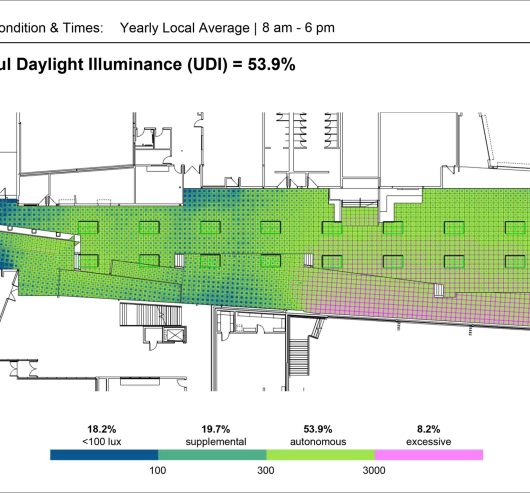
Ultimately, ongoing assessment and adjustment based on daylight analysis enhance the flexibility of sustainable practices. As buildings are inhabited and utilized, continuous assessment of natural light and its influence on energy consumption shapes future modifications and improvements. This feedback loop is essential for maintaining elevated performance standards in architectural design, particularly in urban settings where light access is frequently challenged. By committing to an iterative process that emphasizes daylight analysis, architects can substantially contribute to the development of sustainable buildings that focus on both functionality and environmental responsibility.